
How Do Foreclosures Attorney Fulshear, TX, Handle Evictions?
Foreclosure cases in Fulshear, TX, usually begin when financial pressure builds and payments fall behind. A foreclosure follows, and an eviction notice may come after the property is sold. Everything can feel sudden and stressful.
A foreclosures attorney steps in to slow things down and check if the process obeys the law. Many eviction cases hinge on small details, such as the timing of the notice or paperwork errors. Those details can change the outcome.
What Role Does a Foreclosures Attorney Fulshear, TX, Play in Eviction Cases?
A foreclosures attorney gets involved when a foreclosure turns into a dispute over who has the right to stay in a property. The focus is not only on eviction. It is also about how the foreclosure was handled from the start.
This type of legal work often involves reviewing documents, checking timelines, and spotting mistakes. Even small issues can affect whether an eviction can move forward.
- Review of Foreclosure Documents: The foreclosure lawyer checks if the foreclosure followed all legal steps. This includes notice periods, lender actions, and auction procedures. If something is missing or done wrong, it can affect the eviction.
- Assessment of Eviction Notices: The foreclosures attorney reviews eviction papers to ensure they comply with court rules. Wrong delivery, wrong timing, or missing details can weaken the case.
- Court Representation and Filings: The foreclosures attorney handles filings and court appearances when needed. This keeps the process on track and avoids missed legal steps.
A foreclosures attorney also explains what is happening in simple terms. Many clients are not familiar with legal timelines, so clear guidance from a foreclosures attorney matters. Understanding each step helps reduce confusion during a stressful time.
What Happens First When a Foreclosure Leads to Eviction?
Eviction after foreclosure does not happen all at once. It follows a set process. Each stage builds toward the next. At first, there are warning signs. Then legal notices arrive. After that, the situation becomes more serious.
- Notice of Default and Acceleration: This is usually the first formal step. It indicates that payments are behind, and the lender is moving forward with foreclosure. It also gives a short window to respond or fix the issue.
- Foreclosure Sale Completion: The property is sold at auction. Ownership changes hands. At this point, the new owner may begin steps to take possession.
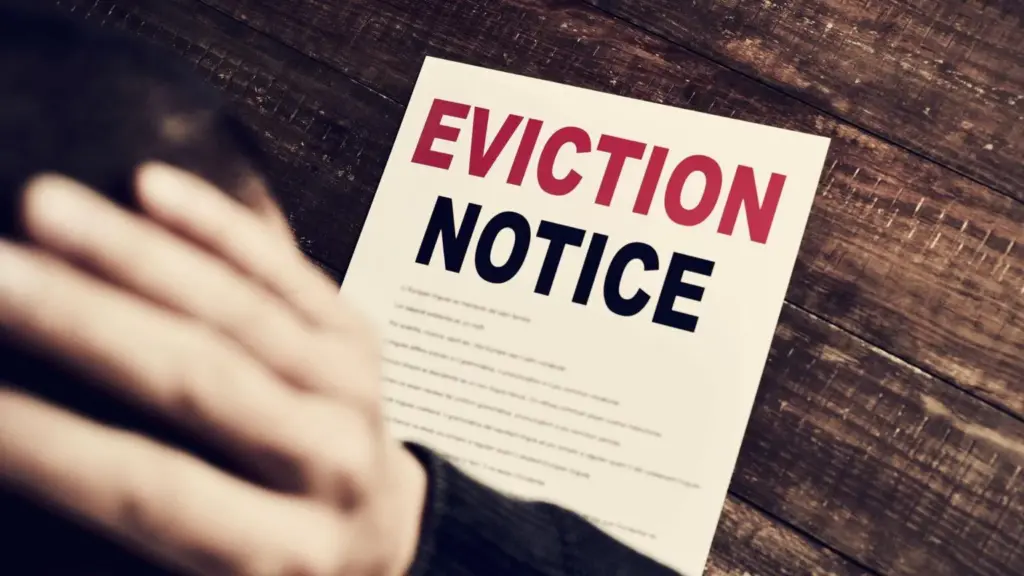
- Post-Sale Eviction Notice: If someone is still living in the home, a bank eviction notice is issued. This sets a deadline to move out and marks the start of the final stage of the process.
After these steps, a foreclosures attorney reviews everything again. The goal is to check if each step followed the law. If something was skipped or done incorrectly, it may affect the eviction.

What Defenses or Legal Options Exist During Eviction Proceedings?
Not every eviction case is solid. Some have errors. Others move too quickly or skip steps. That is where review becomes important. A foreclosures attorney looks closely at the documents and timeline. The goal is to identify any issue that could support a defense or delay the case.
- Improper Notice Delivery: Legal notices must be delivered properly. Otherwise, the case may be invalid. Proper service rules are strict and must be followed.
- Errors in Foreclosure Process: Mistakes during the foreclosure sale can affect the eviction. This may include wrong paperwork or improper auction procedures.
- Disputes Over Ownership Transfer: Ownership must be clear before eviction can move forward. If there is confusion in the records, the case may pause until it is resolved.
Once these points are reviewed by the foreclosures attorney, the next step depends on the facts. Some cases can be challenged. Others may move toward a settlement. Each situation is different.
How Related Real Estate Legal Services Support Foreclosure and Eviction Cases
Foreclosure and eviction cases are rarely isolated. They often connect with other real estate issues. That is why broader legal support matters. These cases can involve agreements, ownership records, and disputes between parties. Each piece affects the outcome.
- Landlord-Tenant Disputes: Issues often arise when someone remains in a property after the change of ownership. Rights depend on leases, notices, and timing. These disputes can overlap with eviction cases.
- Contract Interpretation and Drafting: Property agreements must be clear. Confusing terms can lead to disputes later. Reviewing contracts helps prevent misunderstandings before they grow.
- Property Transactions and Title Issues: Ownership records must match legal documents. If titles are unclear, it can slow down or block eviction actions. Clean records are important for smooth transfers.
These services all connect back to foreclosure cases. A foreclosures attorney often looks at the bigger picture, not just the eviction notice.
Can a foreclosures attorney stop an eviction? Sometimes yes, sometimes no. It depends on whether there were mistakes in the foreclosure or eviction process. If errors exist, the case may be delayed or challenged in court.
How long does an eviction take after foreclosure? It depends on the court schedule and whether the case is disputed. Some move in a few weeks, while others take longer if hearings or delays happen.
Do tenants have rights after foreclosure? Yes, in some situations. Tenants may still be entitled to proper notice before removal. Lease terms and timing also affect their rights.
Is a court required for eviction after foreclosure? Yes, in most cases. A court order is needed before anyone can be removed from a property. This ensures both sides are heard.
Can a foreclosure eviction be challenged? Yes. If there are errors in notice, timing, or foreclosure steps, the case can be reviewed and challenged. Each situation depends on its facts.

When to Seek Guidance from The Okonji Law Office for Foreclosure and Eviction Issues
Legal issues involving property move fast. Once notices begin, timelines shorten. Decisions cannot wait too long.
The Okonji Law Office is owned and operated by John Okonji, the managing attorney. He works directly with landlords and sellers on real estate matters. The office is based in Katy, TX, and serves Harris and Fort Bend Counties, including Fulshear, TX.
Support is often needed when:
- Eviction notices feel unclear or rushed
- Ownership or possession is being disputed
- Real estate transactions are tied to foreclosure outcomes
He handles each matter personally. No large layers. No confusion. Just direct attention to the case.
If things are already moving, early review can help avoid mistakes that are hard to fix later.
Call now if the situation is active and needs attention. You can also submit the online form to set a consultation at a convenient time.
Fun Facts About Fulshear, TX
- Fulshear, TX, started as a small farming town with strong community roots.
- Fulshear, TX, has grown into a residential area with modern neighborhoods and open spaces.
- Fulshear, TX, still keeps parts of its historic identity despite steady development.